InK MOTION + GPS · Pitch Conference
Books that come to life.
From page to screen.
InK MOTION and GPS are opening a call for books with film and TV adaptation potential. Selected authors will pitch their stories to film and television producers and make the case for their book as a movie or series.
All sessions are in Spanish. Video pitches must be in Spanish.
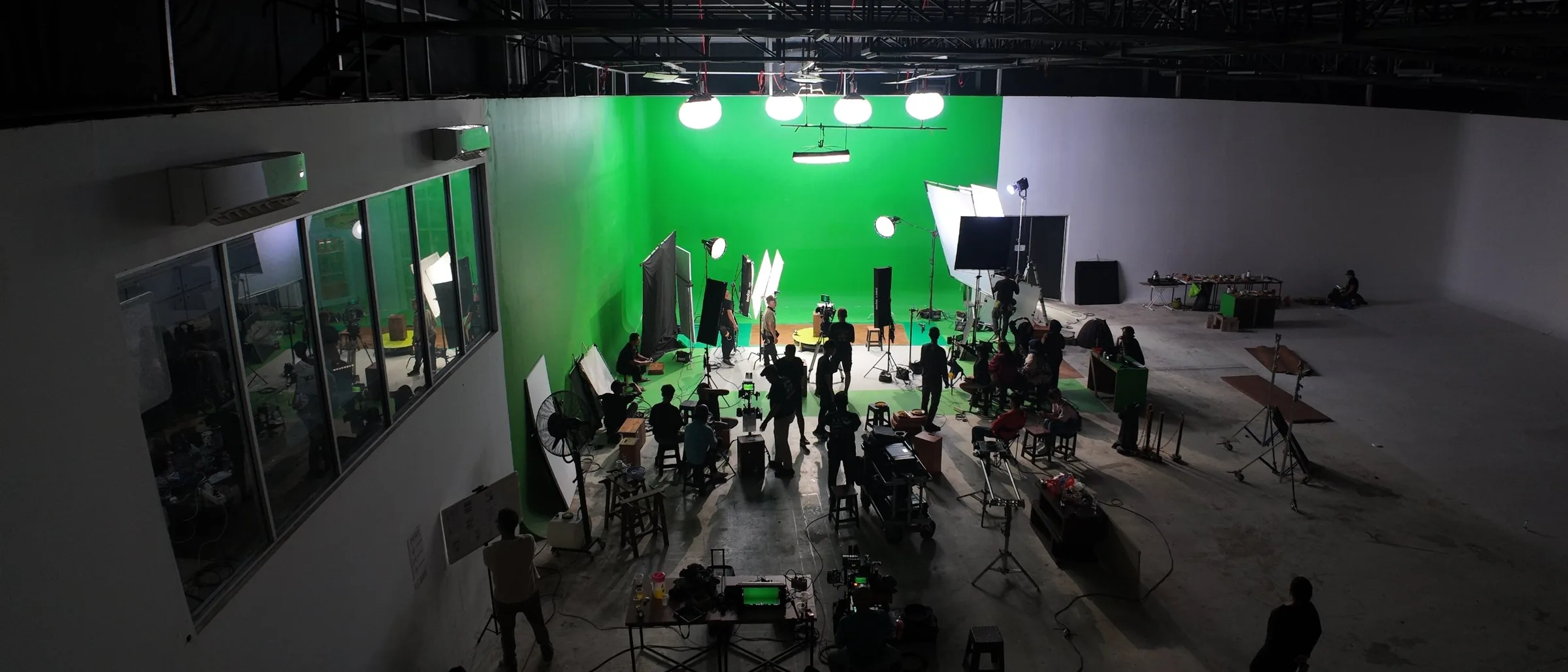
01 · From your book to the screen
Your chance to pitch your story to industry professionals.
Record and submit a two-minute video pitch for a chance to present your book in person to film and TV producers, who will give you feedback and recommendations to strengthen your pitch.
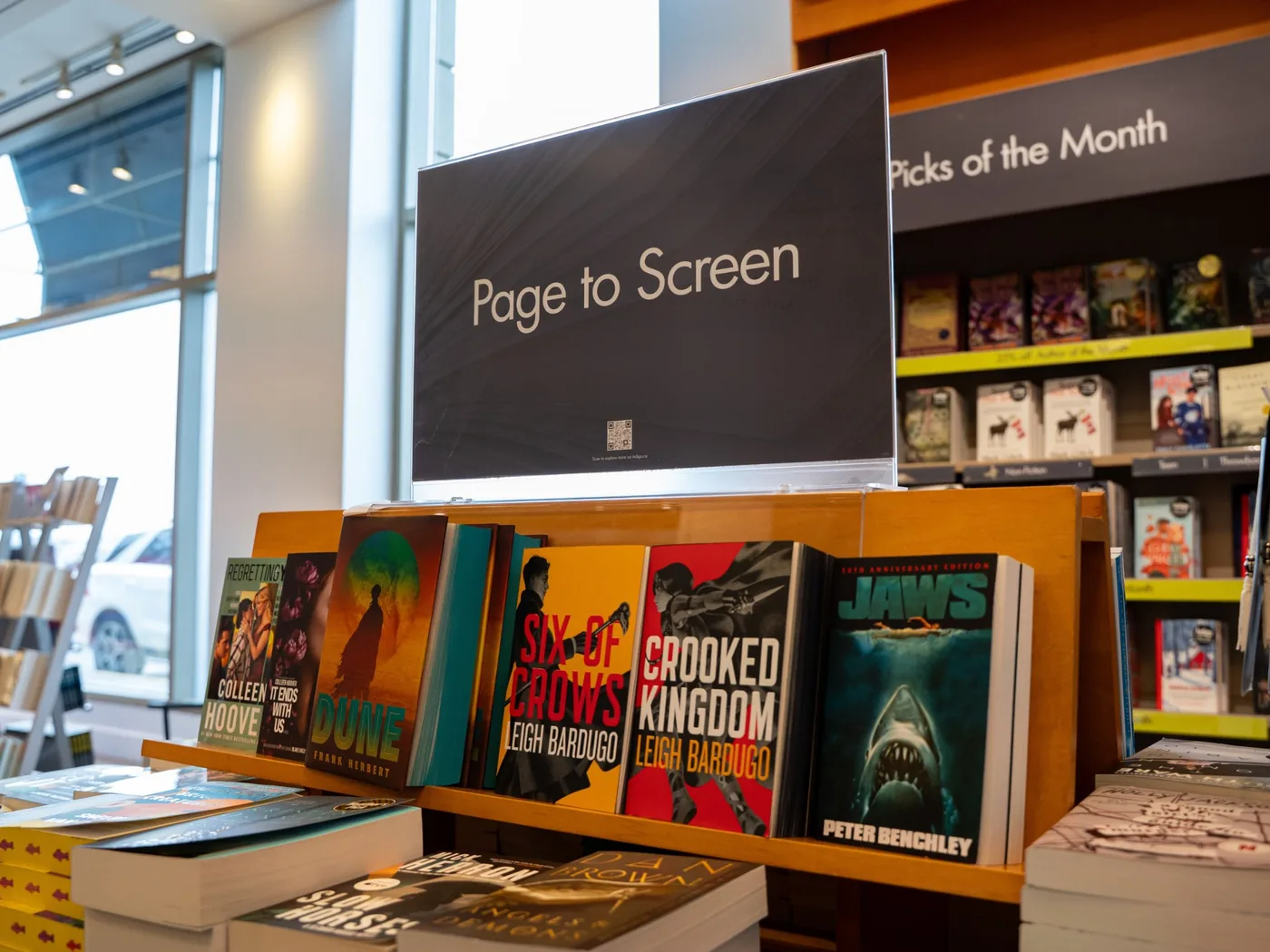
How the pitch session works
- 1
Selection
Authors whose books are selected will present them to producers and other film and television professionals.
- 2
Two minutes
Each participant has up to two minutes to present the premise, characters, conflict and screen potential of their book.
- 3
Professional feedback
Producers will share their impressions of each pitch, highlighting its strengths and pointing out what could be improved. Their recommendations will help you build a clearer, more compelling pitch for the industry.
02 · Formats
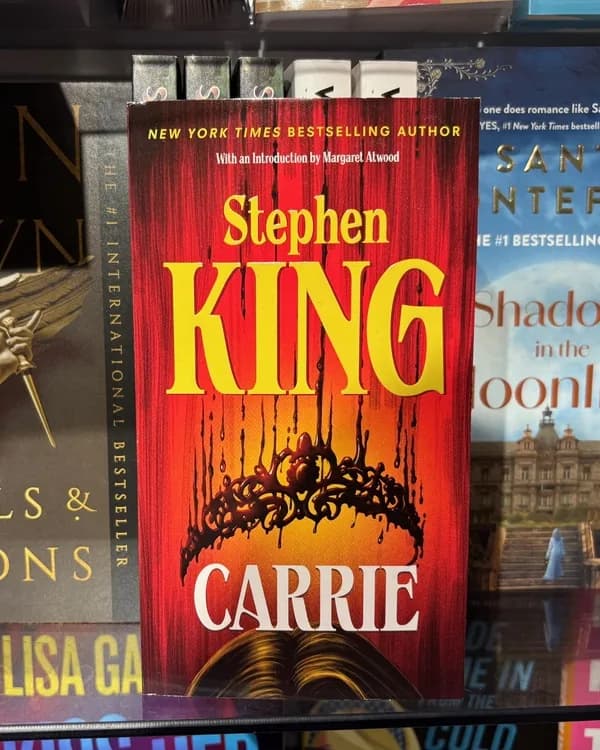
We’re looking for books that could become films, series or documentaries.
Your pitch should show how the story would play on screen. This is not a call for original screenplays.
Feature film
A story built for a fiction feature, with a strong central conflict, a clear arc for the protagonist and a satisfying resolution. In your pitch, highlight the narrative arc and the scenes or images that would stay with an audience.
TV movie
A story that can be told in a single film for television or streaming. Explain its central conflict, the emotion or hook that drives it, and why it can reach a broad audience.
Limited series
A story with a defined beginning and end, told over a limited number of episodes. Show how the conflict would build from episode to episode, which twists would keep viewers hooked and why it needs more room than a film.
Series
A story world with characters, relationships and conflicts that can generate new stories across multiple episodes or seasons. Explain what drives the story forward and what would keep audiences coming back.
Documentary or docuseries
A nonfiction work that explores real events, people or subjects. It can be a single documentary or a docuseries with several episodes tied together by a common theme. Highlight the point of view, the material available and the human or social interest of the project.
03 · 2026 Timeline
Before you apply, make sure you hold the rights needed to pursue a screen adaptation.
04 · Program
November 10, 9:30 a.m. to 2:15 p.m.
Three panels with adaptation professionals, followed by pitches from the selected projects. All sessions are in Spanish.
- 9:30 – 10:15 a.m.Panel 1 · Talk
From page to screen: the adaptation process from the screenwriter’s perspective.
Alberto “Albatros” González
- 10:30 – 11:15 a.m.Panel 2 · Case study
Anatomy of an adaptation and the producer-director partnership: the Ánimas case and beyond.
Olmo Figueredo (La Claqueta) with Alexis Morante
- 11:15 – 11:45 a.m.Break
Coffee break and networking
- 11:45 a.m. – 12:30 p.m.Panel 3 · Keynote conversation
A retrospective of adaptations and IP management in large-scale production.
Juan Gordon (Morena Films), in conversation with Rodrigo Espinel
- 12:45 – 2:00 p.m.Panel 4 · Pitch session
Selected projects pitch in person to the jury.
The jury will include the invited speakers and representatives appointed by the Festival.
- 2:15 p.m.Lunch
Networking lunch
Hotel ABBA
05 · How to prepare your pitch
Don’t summarize the book. Pitch its core.
You don’t need to summarize the whole book. In two minutes, present the heart of the story and explain why it can connect with audiences and work on screen.
Three structures
The classic pitch
“My book is called [TITLE]. It’s a [GENRE] about [PROTAGONIST], who wants [GOAL]. When [INCITING EVENT], they must [ACT] or face [CONSEQUENCE]. As an adaptation, it would stand out for [SCREEN ELEMENT].”
Character-driven
“[PROTAGONIST] is [TRAIT], but when [EVENT] upends their life, they must confront [OBSTACLE]. Their relationship with [CHARACTER] and how they change carry a story with potential as a [FILM OR SERIES].”
World-driven
“The story is set in [PLACE / ERA / WORLD]. There, [RULE OR SITUATION] changes [PROTAGONIST]’s life. That world offers [VISUAL ELEMENTS] and a conflict that can connect with audiences.”
Tools to spark interest
Ask a question
Pose a question that sparks curiosity and sums up your hook. For example: “What if toys came to life when no one was looking?” Choose a question your story answers, one that makes people want to know what happens next.
Target audience
Explain which viewers your book could connect with and why. Think about their interests, approximate age, the themes that draw them in and the emotions they’ll find in the story. Avoid saying it’s simply “for everyone.”
Your personal angle
Share what led you to write this story and the perspective you bring. What makes it yours and sets it apart? A personal connection, an unusual setting or an unexpected point of view can make it memorable.
06 · Rehearse and record
Your story in two minutes or less.
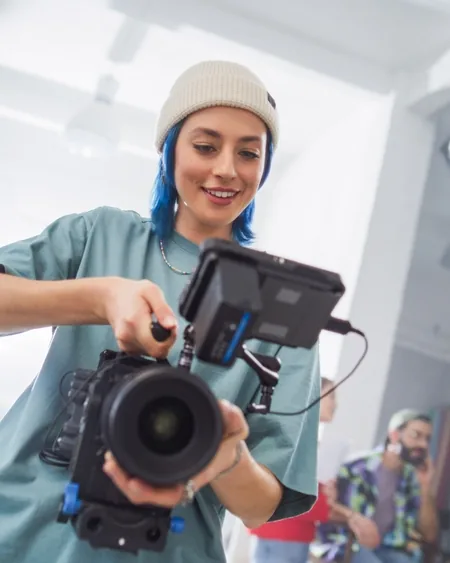
A strong pitch makes producers want to adapt your book. Prepare a clear message, rehearse it and record a natural take of no more than two minutes. The video must be in Spanish.
- Premise
- Characters
- Conflict
- Tone
- Screen potential
- 01
Know your audience
Imagine you’re explaining your book to a producer who has never heard of it. Keep your language simple, direct and clear. Think about which audience the adaptation could reach, too.
- 02
Write it and time it
Lay out the premise, protagonist, conflict, tone and screen potential of your book. Pin down what makes it different and its most compelling elements for a film or TV adaptation. Visual references or comparisons to well-known films and series can get your idea across quickly. For example: “It’s Little Red Riding Hood, directed by Tim Burton.” The better known the references, the easier it is for producers to picture your project. Maximum length: two minutes.
- 03
Practice out loud
Rehearse several times, with cue cards if they help. Try telling the story to friends or family to make sure it lands and to build confidence speaking in public. Rehearse in Spanish, the language of your video.
- 04
Record and review
Place the camera at eye level, watch your lighting and avoid background noise. Shoot several takes and review your pacing, delivery and eye contact. Make sure the conflict and the appeal of the story come through.
- 05
Prepare the final video
Choose your clearest, most compelling take. Check that the audio is clean and the video runs no longer than two minutes. Once your final video is ready, submit it with the registration form.
From page to screen.
Pitch deadline: November 1, 2026 · Pitch session: November 10, 2026, Seville
07 · Registration
Attend the program or pitch your book.
To attend, register below. To pitch your book, submit a two-minute video pitch in Spanish, prepared as described on this page. All sessions are in Spanish.
Pitch deadline: November 1, 2026